How to Read a Book in 2 Hours: Never Again Stuck on ‘168 Hours Later… Still Page 54’ Nightmare

Reading Doesn’t Work
Have you ever found reading to be tiring and boring? Even when you spend countless hours finishing a book, only to forget everything you’ve read? While there are many books about speed reading, most of them offer impractical advice. Some tell you to move your eyes quickly across sentences faster than you can understand them, or suggest strange methods like photocopying pages so your “subconscious” can absorb the information. These techniques don’t work.
Read Like a Pro
Instead, here’s a practical, proven approach: read only the most relevant parts of the book deeply, understand them well, and create notes to help you remember the key points. Remember, books aren’t written specifically for your situation – many parts aren’t relevant to you. The key is to find sections that are important to you right now, not someday in the future.
Reading and truly understanding the relevant portions of a book is much more valuable than spending weeks trudging through the entire thing, only to forget everything. Here’s how to extract the most valuable information from any book in just two hours:
1. Start a Timer
Set a strict two-hour deadline. Without a time limit, reading could easily stretch to 10+ hours. Having a deadline helps you naturally focus on the most important parts and skip less relevant sections like how the author was raised in their early years.
2. Watch Video Summaries
For popular business books, you can almost always find video summaries on Youtube. Watch these first to get an overview before diving deeper. If you can’t find a video summary, don’t worry – just move to the next step.
3. Find Written Summaries
Look for book summaries online. This step helps you decide if the book is worth your time. If the summary shows the content isn’t relevant to your needs, it’s perfectly fine to skip the book entirely. Do this before purchasing.
4. Get the Book
Once you’ve confirmed the book’s value, buy it. If you’re using Kindle, you can start reading instantly.
5. Read the Introduction
The introduction explains how the book is structured and what to expect. Always read this section completely – it’s usually short but helps you understand how the book is organized.
6. Study the Table of Contents
Carefully review the table of contents and identify which chapters matter most to you. Write down the specific chapters you’ll focus on, then read only those sections.
7. Use Chapter Summaries
If certain parts seem less relevant, it’s perfectly fine to read just the chapter summaries (some books have them at the beginning or end of each chapter). Adapt your reading strategy based on the book’s content and your needs.
8. Use Kindle Features
If you’re reading on Kindle, the Popular Highlights feature can help you identify the most important passages that other readers found valuable, which helps you understand the book faster.
9. Create a One-Page Summary
Finally, create a concise summary of the key points you want to remember. This makes it easy to refresh your memory later without rereading the entire book.
Real-Life Example
Let me share how I applied this method to read “The SaaS Playbook: Build a Multimillion-Dollar Startup Without Venture Capital” by Rob Walling. This example will show you how flexible this reading method can be.
Here’s what I did step by step:
- Book Purchase I actually bought the book before reading any summaries because I already knew it would be valuable for my situation. Sometimes you can be confident about a book’s relevance based on strong recommendations or the author’s reputation.
- Set the Timer I started my stopwatch with the goal of finishing within 2 hours. Having this time pressure helped me stay focused and efficient.
- Video Summary I found “The SaaS Playbook with Rob Walling” video summary and watched it at 2x speed, which took just 22 minutes. This gave me a overview of the main concepts.
- Chapter Selection After understanding the big picture, I chose three specific chapters that were most relevant to my accounting business:
- Pricing
- Marketing
- Metrics
- Deep Reading Since these topics were crucial for my business, I decided to read these chapters thoroughly instead of just skimming. This careful reading took about two and a half hours – slightly over my initial time goal, but worth it for the value I got.
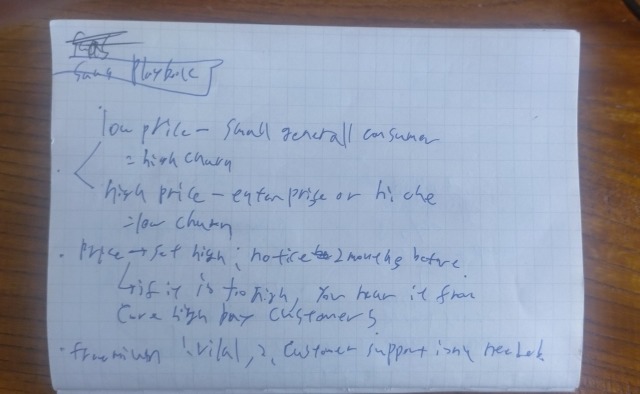
- Quick Summary I spent just 3 minutes writing a concise summary of the key points I learned. This quick note became my go-to reference for remembering the book’s most important insights.
Important Reminder:
Remember that every book is unique, and you should adjust these techniques based on:
- The book’s content and structure
- Your current needs and goals
- The book’s relevance to your situation
- Your familiarity with the subject
Don’t start reading without strategy, or you’ll end up trying to read cover to cover. You already know how that goes – it takes an insanely long time to finish, and at the end, you can’t remember anything useful. Yes, making a strategy takes some effort upfront, but it’s worth it. Always have a specific reading strategy for your book before you open page one.