How to Take Revenge: From Misery to Staggering $20 Billion Empire of Celsius

Selling diet energy drinks and gaining momentum, Celsius saw its sales skyrocket from $130 million in 2020 to a staggering $1.3 billion in 2023 – a tenfold increase in just three years.
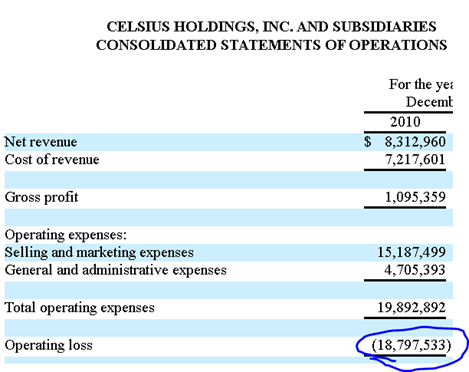
However, the road to this $20 billion empire was far from smooth. Once teetering on the brink of bankruptcy, Celsius had poured tremendous amounts of cash into advertising without seeing a corresponding surge in sales, resulting in massive losses and it was delisted in 2012. But Celsius kept trying, in 2017 it went public again, and this time was very successful.
Celsius’s Profit and Loss Statement before it is delisted with a huge loss
What led to the transformation of a struggling business into a thriving success, despite offering essentially the same product?
The Past: A Blurred Vision
In its early days, Celsius struggled to define a clear target audience or proposition. Its marketing efforts lacked focus, with a lame blue can design that failed to resonate with any particular demographic. The messaging around a “health drink that burns fat” was novel but disconnected from existing consumer mindsets, making it difficult for the product to gain traction.
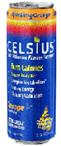
The blue can
Consumers can’t understand new products unless it is related to an idea that they already have. Selling a unique product as just a unique thing is like throwing a good punch in the air. Furthermore, the saturated diet product market made it challenging for Celsius to stand out from the competition.
After it was delisted, Celsius sought guidance from the renowned marketer Jack Trout, author of the best-selling book “Positioning.” This pivotal decision marked the beginning of the company’s transformation.
The New Strategy: Laser-Focused Targeting and Differentiation
Armed with Trout’s principles, Celsius reimagined its approach, aiming a very specific target audience: active women seeking an energizing beverage to fuel their workouts. By identifying and addressing a particular problem of conventional energy drinks– its high sugar content (very bad for dieting) and taste, which women often hate – Celsius could differentiate itself.
The Celsius Solution: a fashionably designed can containing a cool, flavorful juice blend (like kiwi-guava) without sugars. It also combined fat-burning tea extracts with a substantial caffeine boost, perfectly aligning with the active lifestyle of its target consumers.
Crucially, Celsius didn’t simply market itself as a generic “fat-burning juice.” Instead, it cleverly positioned itself as the antithesis of traditional energy drinks, tapping into the existing consumer mindset around that category. Traditional energy drinks were perceived as masculine branding geared towards men.
In contrast, Celsius presented itself as a refreshing, low-calorie alternative tailored specifically for women seeking an energizing beverage without the downsides of conventional options.
By anchoring its positioning to the familiar concept of energy drinks while taking the opposite side of leading bland as the healthier, more female-oriented options, Celsius struck a chord with its target audience. Women who had previously avoided energy drinks due to their qualities now found a product that spoke directly to their needs and preferences.
Of course, there are male fans of the drink too. The female-to-male ratio of the drink’s consumers is now almost 50/50. Compared to its rivals’ energy drink female-to-male ratio, Celsius has an exceptionally high ratio of female consumers.
The target and actual buyers sometimes differ. By aiming at a specific target, it also resonates with people other than the target. Some dudes want a cool drink with fancy flavor without sugar to get energy for playing games. Aiming at a specific target doesn’t cut sales, so let’s boldly narrow the target.
The Celsius story serves as a powerful testament to the importance of clear positioning and laser-focused targeting in today’s crowded marketplace.